Perfume is one of the most personal and expressive forms of art. It’s invisible, yet powerful enough to leave a lasting impression. A single whiff can stir emotions, bring back memories, and even define how people remember you. From ancient rituals to modern-day luxury, has always held a special place in human culture — a symbol of beauty, emotion, and identity.
Table of Contents
🌿 A Fragrant Journey Through Time
The history of perfume dates back thousands of years. The word perfume comes from the Latin phrase “per fumum,” meaning “through smoke,” referring to the aromatic incenses used in ancient religious ceremonies. The Egyptians were among the first to master the art of perfumery, using oils and balms to honor their gods and embalm their royalty. Cleopatra herself was said to have used rose and jasmine oils to captivate Mark Antony — proof that fragrance has always been a tool of seduction and influence.
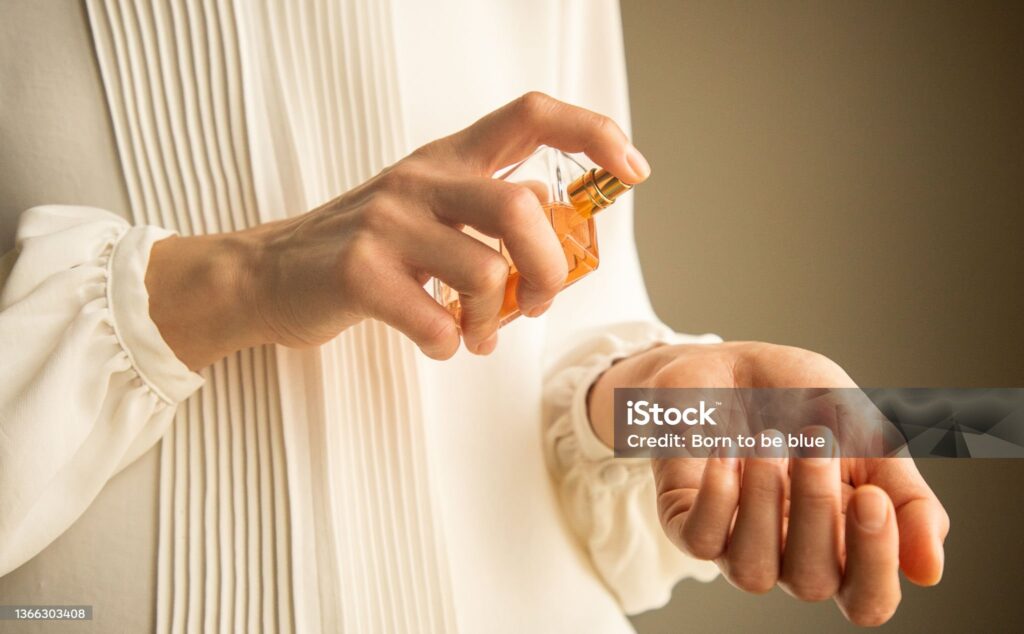
As time went on, perfume evolved from sacred ritual to everyday luxury. The Greeks and Romans used fragrant oils after bathing, while the French transformed into a refined art during the Renaissance. By the 18th century, had become a status symbol — a mark of sophistication and elegance.
Today, perfume is both an art and a science, blending creativity, chemistry, and emotion in every bottle.
💫 The Art and Science of a Scent
Every perfume is composed of three layers called notes:
- Top notes – These are the first scents you notice. Fresh and light, they create the perfume’s initial impression. Common top notes include citrus, lavender, and mint.
- Heart (middle) notes – These form the core of the fragrance and emerge once the top notes fade. They are often floral or spicy, such as rose, jasmine, or cinnamon.
- Base notes – These are the foundation of the perfume, providing depth and longevity. Musk, amber, sandalwood, and vanilla are typical base notes.
Together, these notes unfold over time — like a story that evolves on your skin. The same perfume can smell different on two people because of body chemistry, diet, and even the weather. That’s what makes perfume so personal — it adapts to you.
🌹 Finding Your Signature Scent
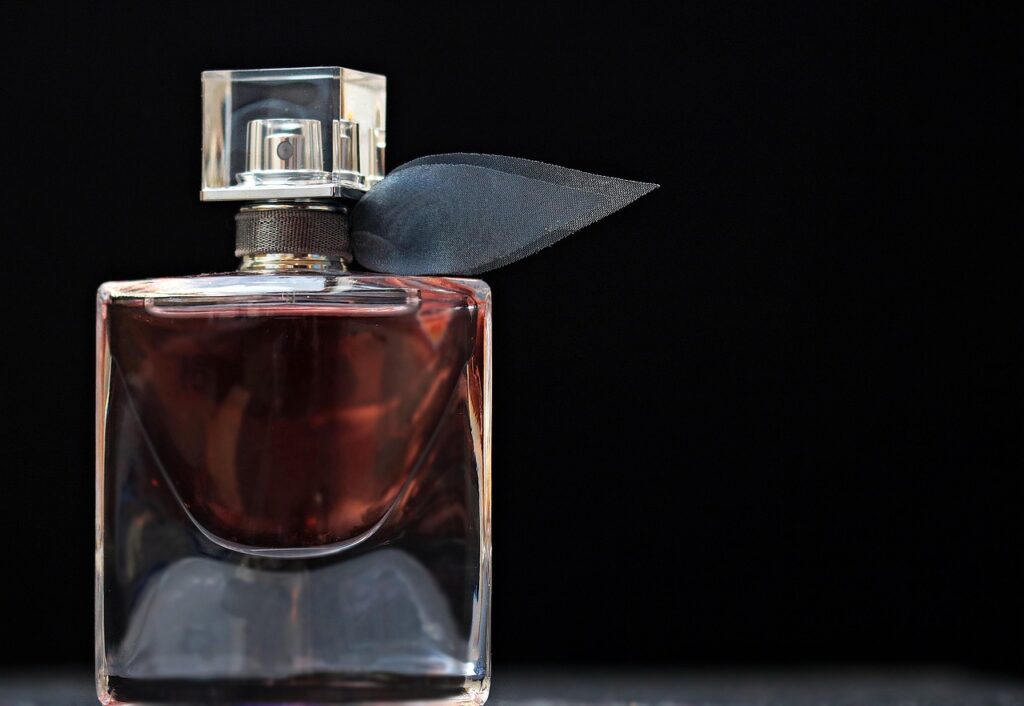
Choosing isn’t just about picking a pretty bottle — it’s about finding a scent that reflects your personality. Are you drawn to floral fragrances that feel romantic and soft? Or do you prefer woody or spicy scents that feel bold and confident?
Here are a few tips for discovering your signature scent:
- Test before you buy. Always try on your skin, not just on paper. Give it time — about 30 minutes — to settle and reveal its true character.
- Match your mood or occasion. Light, citrusy fragrances work well for daytime, while deeper, more sensual scents are perfect for evening wear.
- Don’t rush. A good perfume deserves patience. The right one will make you feel instantly “you.”
🌼 The Emotional Power of Perfume
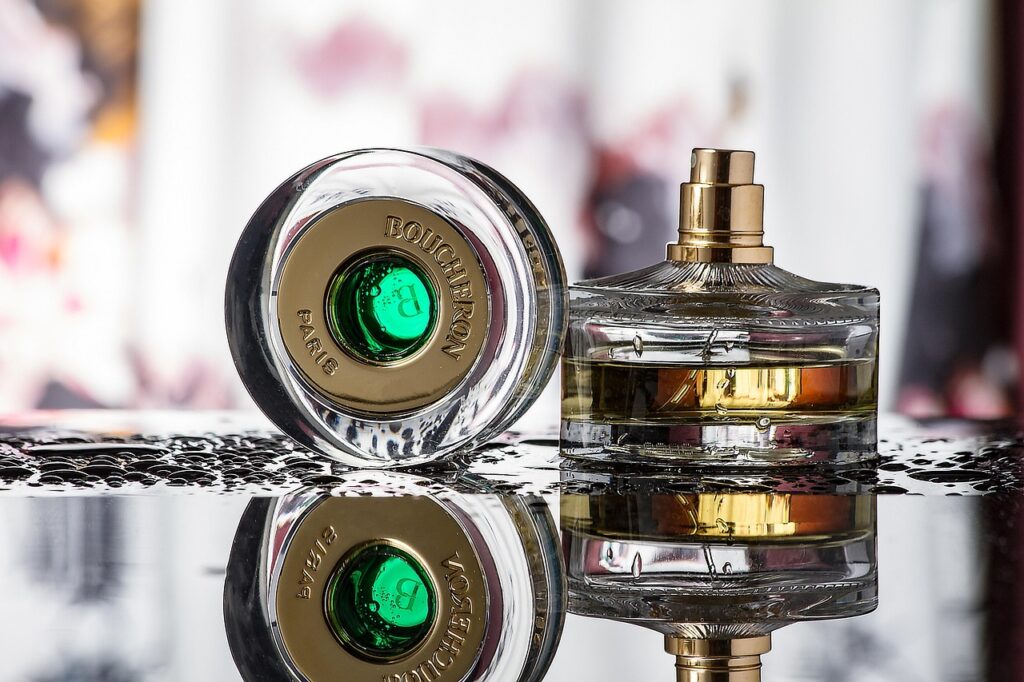
Perfume isn’t just about smelling good — it’s about feeling something. Scents are closely linked to memory and emotion. A single fragrance can transport you back to a specific moment — your grandmother’s embrace, a summer vacation, or a first date. That’s because our sense of smell connects directly to the part of the brain that processes emotions and memories.
When you’re not just applying a scent — you’re expressing a mood, a story, a piece of yourself.
✨ In the End…
Perfume is more than a luxury item; it’s a personal statement, a silent language of emotion. It’s the invisible accessory that completes your style and lingers in people’s memories long after you’ve gone.
So, the next time you spritz your favorite fragrance, remember — you’re not just wearing perfume. You’re wearing confidence, nostalgia, and a touch of magic bottled just for you.
Would you like me to give this blog an SEO-optimized version (with keywords, meta description, and title suggestions for publishing)?
Get smarter responses, upload
For more information about fragnances click here
If you want more information click here to connect with us.